
In the press · BreakingNewsABA
Recruiter Chris Hampson Says ABA's Problem Is Retention
BreakingNewsABA sat down with our co-founder Chris Hampson to talk about the family behind Take a Seat, why a Manchester team recruits for US behavioral health providers, and why he believes ABA's biggest problem is keeping clinicians, not finding them. Here is the story, in his words.
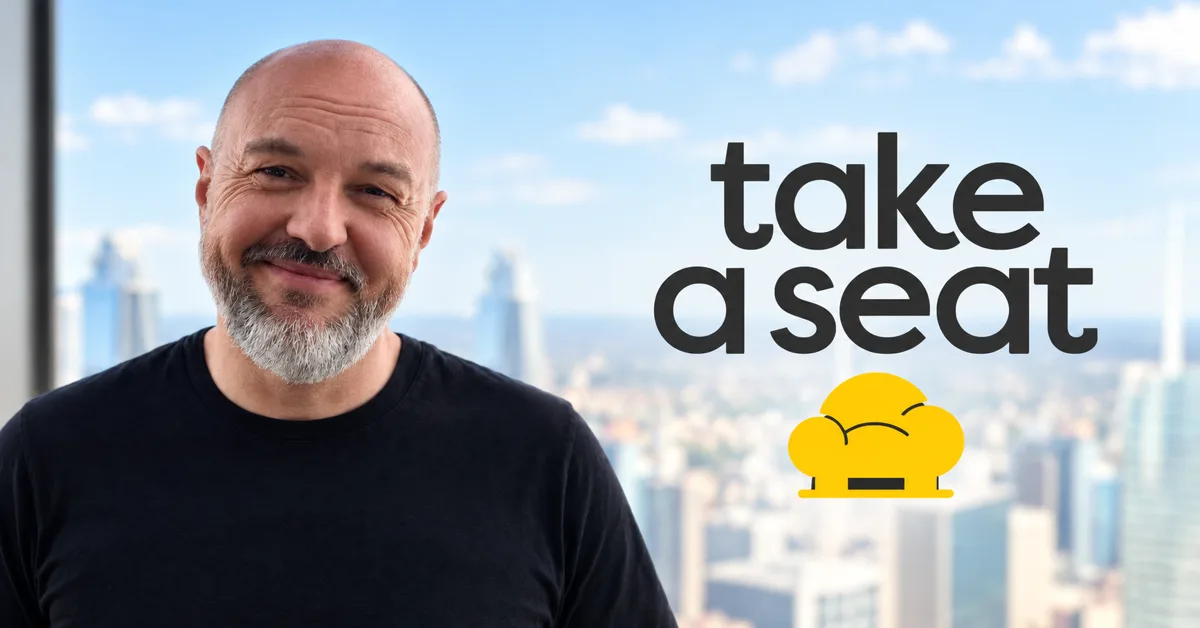
Image: BreakingNewsABA
The story in brief
Chris Hampson spent over a decade in financial services before leaving to build something with more impact. His son lived with Duchenne muscular dystrophy, and the carers and specialists who supported the family shaped what he wanted to do next.
Take a Seat began in 2020 as a UK mental health platform, moved into specialist recruitment for mental health and neurodevelopment providers, and became Take a Seat People, the US behavioral health recruiter, in 2022. The team chose to stay inside one field on purpose.
The interview covers how the firm works with ABA providers and why, in Chris's view, ABA's biggest problem is keeping clinicians, not finding them.
The care team that changed his career
Chris did not plan a career in healthcare staffing. He fell into insurance sales at 23 with a newly finished history degree and two young children, one of them living with Duchenne muscular dystrophy. After nearly four years in telesales at Aviva, he spent 12 years at Barclays in Liverpool, rising to customer service manager. As his son's needs grew, he held himself back at work, preferring the flexibility to be there for him over the career goals.
His son died in 2017. What stayed with Chris was who came to the funeral: the carers and specialists who had supported the family for years. He wanted out of a job where he was just a corporate number, and into work that makes an impact on people's lives the same way those people had done for his family.
Six months later, his father was diagnosed with heart failure, and Chris began reflecting properly on what he should be doing with his life. The answer became Take a Seat.
From telehealth directory to recruiter
The first idea was not a staffing firm. Take a Seat launched in spring 2020 as a UK mental health platform where counselors could advertise telehealth appointments, with free workshops, a community space and a podcast. Then Covid arrived one month later, everyone started using Zoom for free, and nobody wanted to pay for a telehealth platform anymore.
The team kept the network and trust they had built and switched to recruiting for UK mental health companies, then moved into neurodevelopment: many people they knew had ADHD, and autism support waitlists ran as high as four years in some areas. The firm helped some of the UK's now biggest autism providers scale by becoming specialists in one area.
The US move drew on personal ties. Chris spent 2001 at Ball State University in Indiana studying American history, and his business partner had run offices in New York. Take a Seat People, the US-facing recruitment business, launched in January 2022.
In his words
- "The fact that all of these carers and specialists were at my son's funeral just showed how much they cared."
- "Something that makes an impact on people's lives, the same way all these people had done for us."
- "We wanted to keep within the neurodiversity field as we believe in really understanding your niche and being a specialist."
Quotes from Chris Hampson, as told to BreakingNewsABA.
Retention, not recruitment
Chris's central argument cuts against his own business model, and he says so. The sector focuses too heavily on recruitment, strange for a recruiter to say, when the bigger issue is retention. The complaints he hears on repeat: high billable expectations, weak RBT support, too much admin, limited mentorship and not enough access to experienced clinical leadership.
The data behind his view is stark. An ABA Trends 2026 survey found 58 percent of BCBAs had considered leaving the profession, and about a third reported extreme stress lasting two years or more. A BACB exit survey of RBTs whose certification lapsed put inadequate pay and lack of supervisor support among the most-cited reasons for leaving.
What the better employers do is, in his words, unglamorous: manageable caseloads, strong leadership, properly trained teams, autonomy, and a working week that still allows people to have a life outside ABA.
- "Hiring more BCBAs will never completely solve the problem if good clinicians keep leaving because they feel unsupported."
- "I do not think burnout is simply about resilience. Often, it is a sign that the role itself has been designed badly."
- "I see so many BCBAs talk about leaving the field. I also speak to lots of BCBAs stuck in terrible roles they won't leave, as they know the families they support will be left without anyone."
Where he sees ABA heading
Chris is blunt about the field's present: a lot of mistrust, some fraud, and changes almost every week. He calls himself an optimist, hopeful the changes happening now will create a better ABA.
His second argument is about who ABA serves. He calls the adult population significantly underserved, and believes broader work could reinvigorate BCBAs who feel limited by the traditional clinic model. The organizations he admires most support multiple age groups and build genuinely multidisciplinary teams, bringing BCBAs together with SLPs, OTs and, in some cases, LCSWs around the same individual and family.
And the longer-term plan? Keep growing in the US without becoming a generalist shop, with interest in neurodevelopment and health technology. He even floated a step most recruiters do not take: "And who knows, maybe one day we will start our own ABA agency. We already know a huge number of great clinicians that could lead it."
Speak with Chris
Everything above is why Chris still takes these calls himself. Whether you are a clinician weighing up your next move or an employer trying to keep a great team together, you will talk to a real person who knows this field inside out.
Clinicians
Career guidance on pay, caseload and your next move.
Employers
Hiring and retention for behavioral health teams. Posting roles is free.